
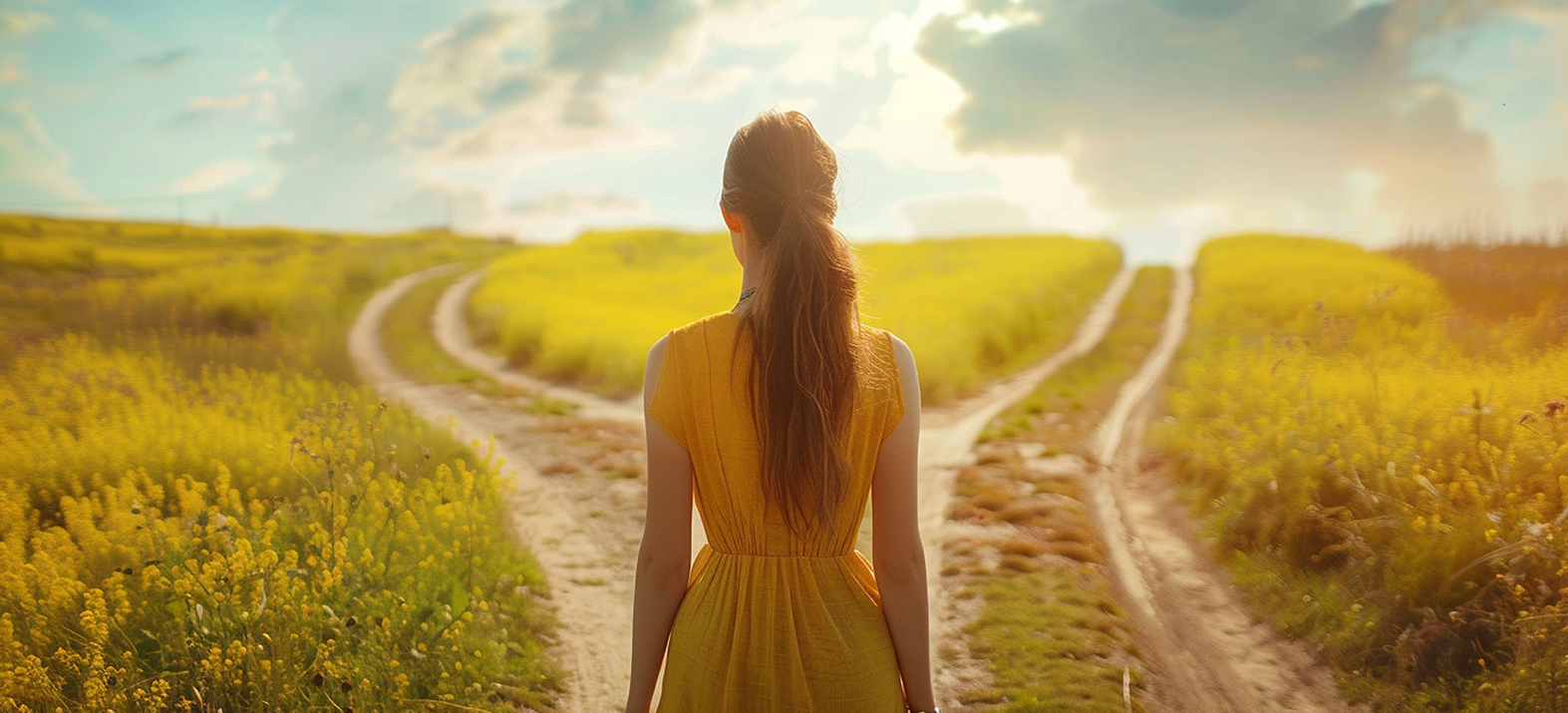
Why We Are the Way We Are
Have you ever wondered why you became the person you grew up to be or why your siblings are different than you? What made those differences? Do you believe you can change if you’re determined to change? What would that change look like? Sound like? Feel like? Why do some people remain victims all their lives, while others rise through the ashes to become a Phoenix?
These are the questions to ask before you can find the answers. Many never ask these questions. They unconsciously accept who and why they are without any personal insights or reflections, never contemplating the connections or patterns that have caused stress and strife in their lives. They seem to keep choosing the wrong partners and making poor decisions, without ever questioning why these patterns persist throughout their lives. These are the ones who go to their deaths never really knowing who they are; the tragedy of tragedies. The poet says, What I am is me. For that I came. (Gerard Manley Hopkins)
Can we really change, or are we destined to be stuck all of our lives?
Stanford biologist Robert Sapolsky argues that humans do not have free will. He believes that our actions are determined by our biology, environment, and past experiences. I agree with much of his theory; however, I believe change is not only possible, but it’s also probable if one is determined to heal and grow mentally, spiritually, and behaviorally. If not, my life’s work would be a sham.
My father was known for his platitudes. He had more than a hundred. I would get annoyed and make fun of them when he responded to me with one of the many that were applicable to the situation that was occurring in the moment. Some of his favorites were: “If you lie down with dogs, you’ll get up with fleas. What you put in is what you get out. Make hay while the sun shines. Hit while the iron is hot. Water seeks its own level. We get too soon old and too late smart. Don’t lock the barn door after the horses escape. Coming events cast their shadows before. Don’t lock the barn door after the horses escape, and my favorite, you can’t steal second base with one foot on first.”
There were many more, and over the years of private practice, I found myself repeating these words of wisdom almost unconsciously to my clients, and I came to see them as more profound and helpful than I ever gave them credit for. I found it surprising that I must have stored them in the recesses of my brain, and as I matured and took NLP (Neuro-linguistic Programming) as a course, my stream of consciousness slipped into my consciousness, and there I was, mouthing the platitudes of my dad’s wisdom!
I never paid much attention to the meanings and implications when I was young. I never reflected on my outcomes, good or bad. I just did what came naturally, and eventually discovered that it’s not exactly healthy. It was only when I became a therapist and studied how metaphors can more effectively effect change in perceptions than giving advice. It took years for me to understand my father’s profound collection of platitudes and how beneficial and valuable they are in helping clients in therapy. Somehow, platitudes are mini-metaphors that can change perceptions and perspectives, saving time and money for those in therapy. My wish would be that he were still alive so I could tell him how helpful they were when I became a therapist.
The Possibility of Healing, Personal Growth, Development, and Change
After nearly 48 years of private practice, I am still in awe of the personal growth and changes I have seen in my clients over the years. So, Dr. Sapolsky, although I don’t have your credentials, I cannot agree with your suppositions that our birth predicts our life’s outcome and free will is not possible. My theory, based on years of practice, leads me to a very different opinion. We know that “everything we hear is an opinion, not a fact. Everything we see is a perspective, not the truth.” (Marcus Aurelius) Here is one case study of why I believe in free will.
Jane: A Case Study
Jane, 54 years old, married with 3 children, is the mayor of a Virginia metropolis. She manages motherhood, career, and a marriage, not without effort and issues that sometimes mount up, but with it all, she manages to balance all three roles: marriage, mom, and being a physician. Sounds impossible, easy, and never will be. Juggling three major careers, all at once, at the age of 53 and looking like a fashion model takes time, energy, lifestyle, clear-headed thinking, and a positive disposition. Part of her success is the way her brain is wired, and that’s sheer luck. Her two sisters didn’t have the same good fortune.
Her older sister, Martha, passed away from a drug overdose, and Miriam, her younger sister, was a criminal and eventually committed suicide, both under the age of 40. They had the same parents, lived in the same city, and were raised in the same era, the 60s and 70s. How did one create a life of achievements, and the others perished from their childhood wounds? What was it about Jane that propelled her into graduating from medical school, becoming a surgeon, and then becoming chief of surgery at a large county hospital?
What contributed to her amazing success while her siblings failed to survive? Jane was not willing to be a victim, not even a survivor. Jane morphed into a Phoenix, out of sheer determination and a well-formed outcome goal. You might say she was desperate never to return to her reprehensible childhood years, growing up with a mother who abandoned her, and a father who made her his sex slave. That’s when she ran away to survive from his reprehensible acts perpetrated upon her when she was too young to protect herself. What made her vulnerability morph into empowerment? How did this woman keep her sanity and rise up from the ashes to become someone to respect, admire, and reckon with? Her survival suit was worn with time, but she, as well as many others who suffered the damages of abuse, abandonment, and neglect, whom I counseled, also became empowered, enlightened, men and women of substance, with a sense of morality, ethics, integrity, purpose, and passion. If Robert Sapolsky’s theory of “no free will” is accurate, how could this happen?
On Becoming Self-Actualized: The Person You Were Meant to Be
I could share multiple stories like Jane’s, including many men, that illustrate how some people can rise above the worst possible early-life experiences, healing their wounds and traumas and developing a strong sense of self, even after experiencing a personal holocaust. How and why? Because they desperately wanted to climb out of the hell of their past, make the rest of their lives matter, and find peace and happiness in whatever time they had left in life. They moved forward, not without an abundance of effort, time, and money. They knew intrinsically that the best investment they could make was in themselves and were no longer willing to accept their past as their present or future.
All one needs to do is to read and learn about the early lives of Abraham Lincoln, Sidney Poitier, Oprah Winfrey, Keanu Reeves, Louis Armstrong and many more celebrities and famous persons who reached the heights of wellness to become a Phoenix, not to mention the thousands of Holocaust survivors who built a life of personal growth and success after they were released from the concentration camps. Many stopped living only to stay stuck in unmentionable tortured lives, and yet many forged ahead to rebuild their lives to the best of their ability.
There are too many stories of triumph that cannot be ignored of those who suffered and rose again once more to rebuild their lives and find the happiness that had been denied to them by dysfunctional parenting, demonic cultures, dogmatic religions, wars, persecution or personal losses and tragedies to deny that change is not only possible, it’s probable if one chooses to heal and grow.
So, ask yourself: how can I achieve a good sense of self? How can I heal my wounds, grow, and become the person I was intended to be? If you are dedicated to these values, if you have the determination to rise above your past, which cannot change in the present, then reach out and contact me. I have had nearly 50 years of helping thousands of others make positive behavioral changes that have changed the course of their lives, becoming better human beings than they ever believed possible. It only takes a will of determination. It’s NOT free; it costs time, money, energy, and commitment. If you want the freedom in your life that was denied to you, reach out and call me, email me, or text me. I am here to help you reach your potential. Having been a psychotherapist for more than 47 years, and now a life coach, relationship coach, and business mediator, my past record shows results to those who have made the commitment and worked with me. You can too!
You can call (954) 854-7764, text, or email: joanechilds@gmail.com. Although I am not a healer, guru, or magician, I am a change agent with years of experience and success helping others reach their goals.
Share this article
Follow us
A quick overview of the topics covered in this article.
Latest articles
October 10, 2026

October 10, 2026

October 10, 2026