

Romeo and Juliet: A Family Crisis
Most marriages are arranged with joy and open hearts by the parents of their children’s choice of wife or husband. What if that is not the case with who you have chosen for your bashert, (Hebrew word for God’s choice), soul mate, intended spouse and the love of your life?
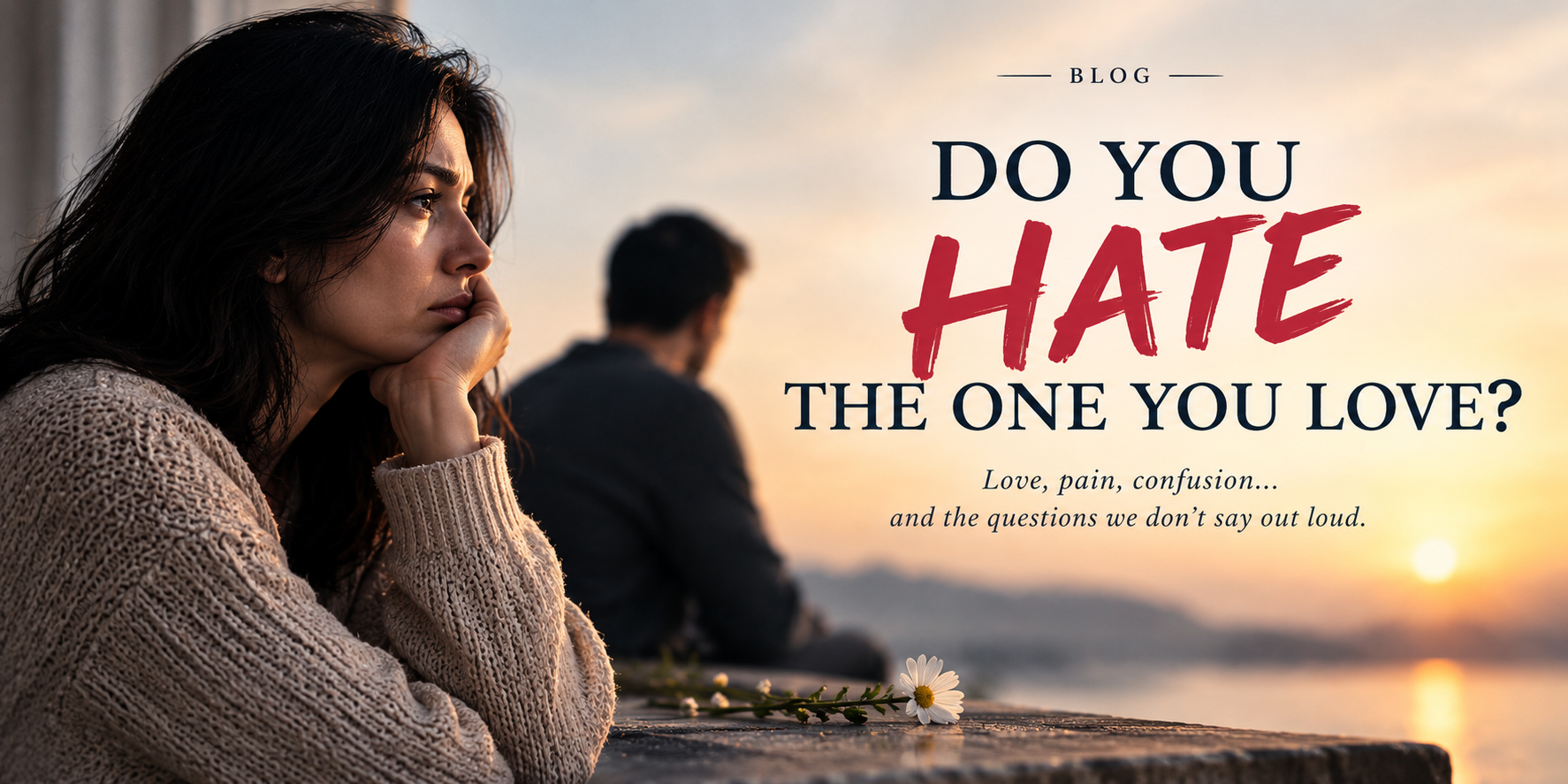
Want to know more about parents who are not happy with who their daughter or son has chosen as their future husband or wife? Read my blog.
The Tragedy of Conditional Love
Whether be it Shakespeare’s Romeo and Juliet, (The Montagues and The Capulets), Tony and Maria, (the Jets and the Sharks) from West Side Story, Chava and Fyedka from Fiddler on the Roof, the Hatfields and McCoys and many more, marrying outside of your own kind, can cause a crisis in families, not dissimilar to Carl Jung’s archetypal energy with individuals. Family dynamics also have archetypal energy, characteristics common in families. GUESS WHO’S COMING TO DINNER, the movie released in 1967 was illustrious even before it’s time.
Not much has changed since time memoriam regarding love and the choices we make when that arrow pierces our hearts and love blossoms. Bigotry, racism, antisemitism, Islamophobia, and more, permeate our culture even today. Interfaith marriages are least common among Hindus, Mormons, and Muslims, and most common among religiously unaffiliated people, mainline Protestants, and Jews. (Wikipedia)
Whether born into a Christian, Jewish, Muslim or Native American family, our heritage almost demands that we stay true to our religion, cultures and keep the beliefs we were born and raised with until death do us part; that includes raising the children in whatever faith we were raised, keeping loyal to our traditions and practices–until nature steps in.
Now, more than ever, as we have assimilated over generations, more often our souls do the calling instead of our parents and/or religious beliefs. This is not always easy. Parents have expectations both tacit and expressed, hoping they will see their daughter/son walking down the aisle to their priest, minister, or rabbi. This is not always the case. leaving a chasm between the children and parents and extended family members.
We find ourselves divided among our families and parents that cause deep wounds, some never to be healed. The anger, frustration, hurt, disappointments and heartaches too often leave both the parents and their children powerless, hopeless, depressed and sick with grief and loss as if a mortal crime had been committed. If parents don’t accept and respect their children’s choice of spouse, it leaves a hole in the soul of both the parents and their children.
As a psychotherapist since 1978 I have witnessed many break ups in families simply because their daughter or son chose a life mate that was unacceptable to the parents, either due to race, religion or socio-economic status, leaving irreparable wounds in both the parents and their son or daughter. The tragedy of conditional love.
Unconditional Love vs Conditional Love
Unconditional love means loving someone completely, without judgment, expectations, or strings attached, accepting their flaws and imperfections as part of who they are, and offering support and care regardless of their actions or circumstances. It’s a deep, unwavering affection focused on the other person’s well-being, often seen in parent-child bonds but applicable to all relationships, involving forgiveness, understanding, and commitment. (AI overview)
Conditional love is affection or approval that is given only when specific requirements, behaviors, or achievements are met, operating on an “I love you if” basis, rather than being freely given, and it can lead to feelings of unworthiness, performance-based self-esteem, and instability in relationships, as love feels earned and can vanish when conditions aren’t met. It creates a dynamic where love feels like a reward for compliance, often learned in childhood through parental praise for good behavior or achievements, but also seen in adult relationships with unspoken rules or demands.
Key Characteristics of Conditional Love:
- “I’ll love you if…”
Love is contingent on actions like good grades, specific behaviors, meeting expectations and assignments of the parents. - Earned, Not Given
The recipient feels they must constantly earn love, making them feel unworthy or insecure. - Withdrawal of Affection
Support and warmth may disappear during difficult times or when mistakes are made. - Performance-Driven
A need to constantly perform or please others to secure affection. - Emotional Instability
Creates a lack of trust and stability, as love feels temporary.
Conditional love is affection, approval, or commitment given only when the recipient meets specific standards or fulfills certain expectations. Unlike unconditional love, which is offered freely without “strings attached,” conditional love is contingent upon the other person’s behavior, achievements, or appearance. (AI Mode)
Perhaps the best example of unconditional love was written in a letter from a dear colleague of mine. Judith and several other therapists from around the globe met for a reunion in Ischia, off the coast of Naples. We had all met at a masterclass taught by Hedy Schleifer for three years, twice a year for five days. Our bonding had been so successful that we arranged a reunion for years following the final masterclass.
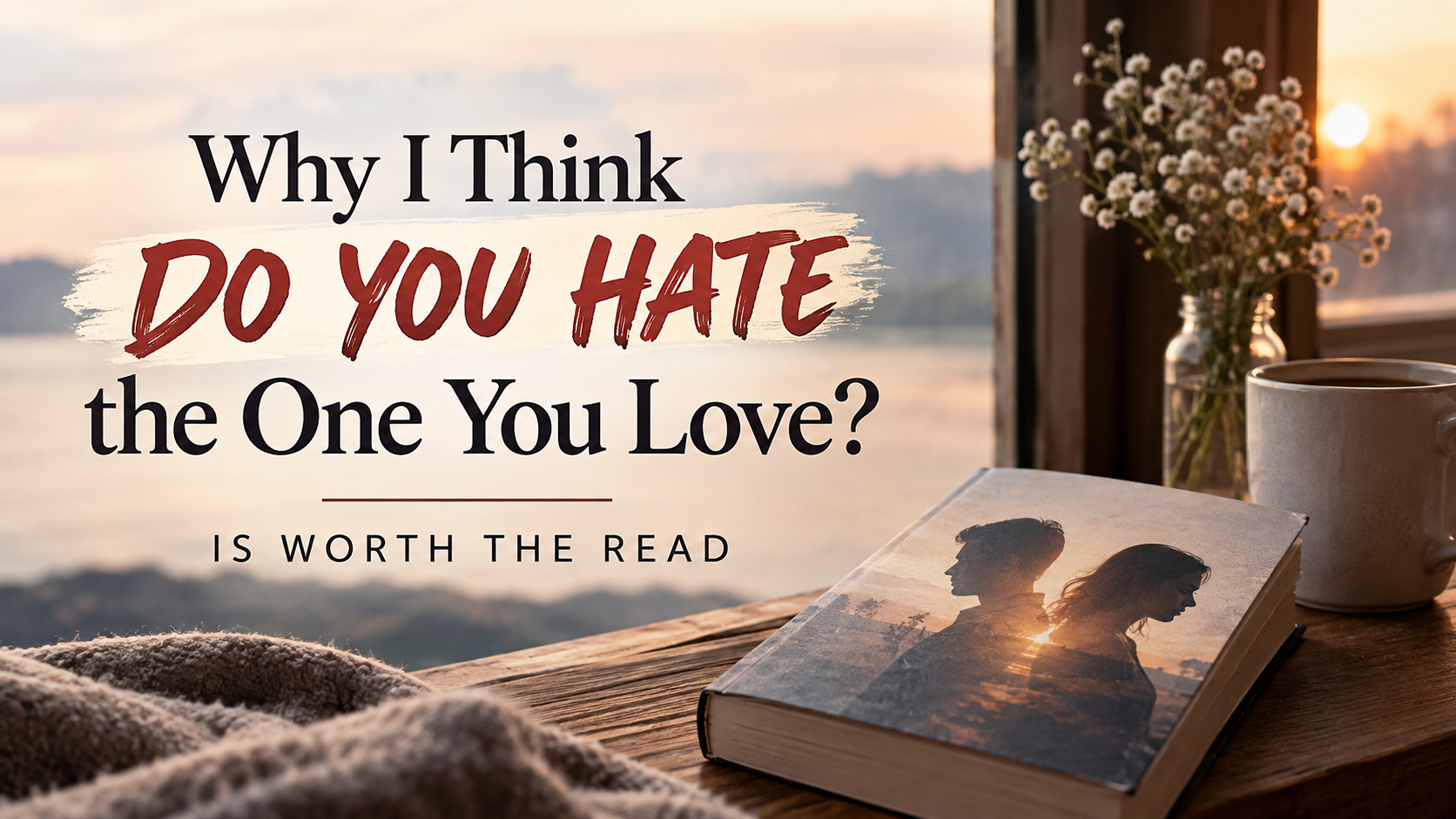
Judith had been struggling with pancreatic cancer for two years and had orchestrated this last reunion. After the reunion we all received a letter from her. The letter embodies the best description I have ever read (including AI’s overview and mode). It was so poignant and explicit that I included it in my book, DO YOU HATE THE ONE YOU LOVE? Strategies for Healing and Saving Your Relationship. Here is a clip of the letter as she describes ‘secure attachment’.
It begins with a quote:
“When I let go of what I am, I become what I might be.”
– Lao Tzu
Hi dearest friends,
Saying good-bye has been difficult and coming back to Paris even more difficult. I guess you could say that I am experiencing “separation anxiety.” I miss you all. Today I have felt lost, sad, tired, not wanting to eat and have been listening to music and hanging out in bed.
I have been reflecting on what is going on. I have been pondering this question all day. What has suddenly emerged is my experience during our gathering of love and secure attachment. Many of us have not known ‘secure attachment’ as a child. I, for one, did not and I have been working on this throughout my cancer journey with ‘cellular memory’ as an amazing tool.
I started thinking about the questions:
What is love, and what does it feel like to be securely attached? I am referring to love and secure attachment on an ’essence or soul’ level rather than on an ‘ego level’. The words I came up with were:
feeling loved for who I am, not what I do,
feeling safe,
feeling secure and that someone will protect me,
feeling seen,
feeling heard,
feeling able to be vulnerable,
feeling loving eyes,
feeling loving touch,
feeling cherished, adored, unique, special,
feeling appreciated for my differences and talents,
feeling accepted when my behavior is different than others.
The experience of this allows me to feel securely attached. The three days we spent together demonstrated all that for me. As each day passed our connection deepened until there was a space of love and trust where I felt secure and safe and able to share with you deeply and honestly and to receive you with respect, love and curiosity.
Thank you, each and everyone of you, for being who you are.
It was more than a three-day gathering of therapists for me. It was an experience about being with loving, accepting, highly conscious people who are able to make space to receive the other, fully and unconditionally. I feel that this experience will live on in me and my life will be different because of it.
I bow to each of you. I love you.
Judith
Sadly, Judith passed away 2 months later. Her description of a secure attachment and unconditional love will stay with all of us forever.
Share this article
Follow us
A quick overview of the topics covered in this article.
Latest articles
October 10, 2026
October 10, 2026
October 10, 2026