
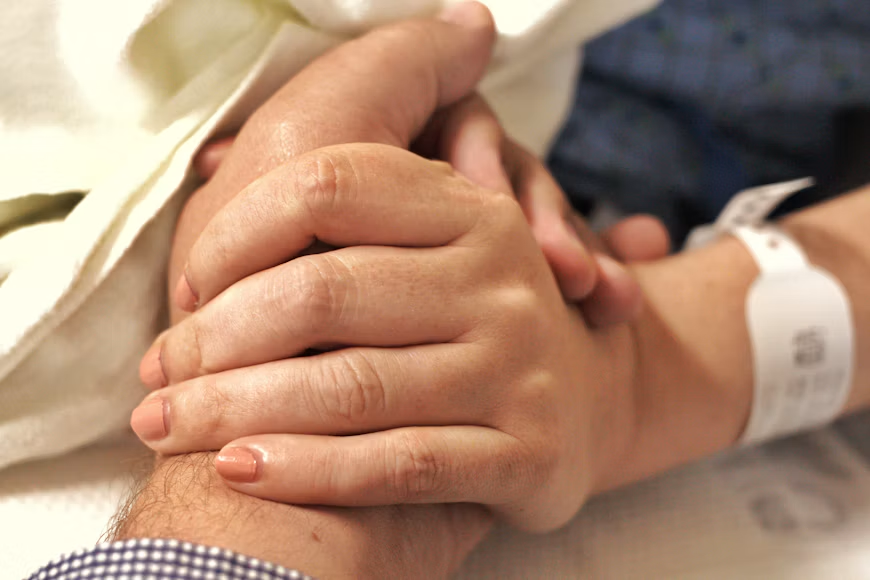
How to Deal with the Fear of Loss When a Loved One Is Dying?
Watching someone you love inch toward the end of their life can be difficult. There is no gentle way to say it. On one hand, you might be holding on to hope for a recovery, even though the doctors have said how serious things are. On the other, you’re afraid of waking up tomorrow to find they’re gone.
If any of this feels familiar, know that you aren’t alone. According to AARP’s 2025 report, about 63 million Americans are family caregivers. Some of those caregivers are quietly bracing for goodbye. The good news is that there are ways to manage that fear, and that’s what this article is about.
Understanding the Fear of Losing Someone You Love
Let’s start with what this fear actually is. It has a name: anticipatory grief. That’s the sorrow you feel for a loss that hasn’t happened yet but feels closer every day.
Anticipatory grief shows up in many forms, including sudden sadness, quiet dread, or anger. People experience it differently. Some want to pull away from everyone. Others can’t focus at work or keep picturing a silent house without their partner, parent, or friend.
Whatever form it takes, feeling this way doesn’t mean you’ve given up or that you’re doing something wrong. You can hope for more time and still prepare your heart for less.
It’s also worth mentioning that this fear isn’t universal. A 2025 study that followed family caregivers of older adults with severe dementia for four years found that roughly 35% reported high anticipatory grief at some point.
Practical Ways to Cope With the Fear of Loss
The fear of loss when a loved one is dying is real. But it’s also manageable. Here are some ideas that can help.
Allow Yourself to Feel
Allowing yourself to feel means dropping the mask of always trying to hold it together. It’s tempting to pretend everything is fine so people see you as strong. But doing that all the time can backfire.
What you can do is find little ways to let those feelings out. Try writing things down in a journal, even if it is just a messy list of fears. You might talk to a trusted friend, say a prayer, or take long walks once in a while. Small things like these can help you work through the fear of loss without feeling like you have to deal with everything at once.
Seek Support Instead of Carrying Everything Alone
You don’t have to be the strong one all the time. Family and friends, support groups, or even a grief counselor can all help you carry some of the weight of an impending loss.
This support matters more than you may think. The 2025 Caregiving in the U.S. report, for example, found that roughly 24% of caregivers feel socially isolated. Caregiving can take over your daily life until, without really noticing, your world starts to shrink.
Mental health professionals can also offer support when things become hard to manage. Psychiatric-mental health nurses are one option. They’re trained to provide holistic mental health care and build strong therapeutic relationships. Some nurses prepare for this work through online mental health nurse practitioner programs.
Online upskilling is ideal for those who want to achieve specialization without giving up their current roles. Cleveland State University emphasizes holistic mental health care and strong therapeutic relationships in these programs.
Here’s the important part for caregivers: asking for support isn’t weakness. It’s a sensible way to look after yourself so you can keep showing up for your loved one.
Focus on the Time You Still Have Together
Sometimes, all you need to do is shift your attention from the fear of what is coming to the moments you can still share. This is harder than it sounds, but it’s well worth the effort.
You don’t need elaborate plans. Meaningful moments are often small. You can sit down with your loved one and simply look through old photographs. You can listen to your favorite music together. If your loved one is too tired to talk or participate, just sitting in the same room in comfortable silence can be enough.
Palliative care physician Dr. B.J. Miller has spoken about the importance of simply being present with someone who is suffering. In his conversation with Oprah Winfrey, he called that presence “an amazing thing to give” and said it can heal a lot of wounds quickly. It’s something you can offer in even the quietest moments you share.
Take Care of Yourself
If there’s one thing many caregivers forget to do, it’s to care for themselves. But this is very important, because the conversations can be draining and the work exhausting. According to the National Alliance for Caregiving, nearly 1 in 4 caregivers provide 40 hours of care or more per week. That’s basically a full-time job on top of the worry.
So sleep when you can. Eat real meals. Take short breaks. Say yes when someone offers to help. Looking after yourself isn’t selfish. It isn’t a betrayal of the person who is dying either. You just can’t pour from a cup that’s empty.
A Quick Checklist: What to Do During This Difficult Time
When emotions and feelings are running high, having a few practical things in place can make daily life less overwhelming. Here are some useful steps to consider:
| What To Do | Why It Helps |
| Pick one family contact person | Keeps relatives in the loop without everyone calling you at once |
| Keep medical contacts handy | Makes it easier to reach the right people when questions come up |
| Set up a family care schedule | Stops one person from carrying every responsibility |
| Start a private memory collection | Gives you a spot for photos, voice recordings, and messages you want to keep |
| Ask about bereavement resources | Helps you know where to turn for support after the loss |
| Talk about cultural or religious wishes | Helps make sure the person’s preferences are respected |
FAQs
Is it normal to grieve before someone has died?
Yes. Anticipatory grief is a common response when you know a loss is coming. But while a lot of people experience this grief, it doesn’t mean you’re giving up on your loved one.
How long does anticipatory grief last?
There’s no set timeline. Some experts say grief can begin as early as the diagnosis. It can also come much later. It can even come in waves and may ease or flare without warning.
When should I seek help for anticipatory grief?
It makes sense to think about professional support if your fear becomes persistent, affects your ability to sleep or function, or leaves you feeling isolated and unable to cope.
Final Thoughts
Dealing with the fear of loss is one of the hardest things you will ever face. It’s a heavy burden, but you don’t have to carry it alone or even perfectly. We’ve discussed some of the ways you can make things easier in this article.
Not every suggestion here will fit your situation, and that’s fine. If you take away just one thing, let it be this: when the weight gets too heavy, a counselor or mental health professional can help you carry it.
Share this article
Follow us
A quick overview of the topics covered in this article.
Latest articles
November 24, 2026

November 24, 2026

November 24, 2026