

Does Your Inner Child Need To Be Healed?

Is Unresolved Conflict Destroying Your Relationship?
Is your relationship cluttered with chronic arguing, unresolved conflicts, silent violence, gaslighting, stonewalling, judgments, criticism, and contempt? Are these behaviors destroying the feelings you once had when you shared your vows, moved in together to build a life, and thought you never wanted to be apart? Is your sleep interrupted with feelings of despair and thoughts of what to do? Do you lie awake wondering what your future will look like, asking yourself what should you do? Where will you go? What about the children? Are you living lives of quiet desperation?
This is not uncommon in many relationships. More than 50 % of couples break up or divorce without ever understanding how it happened. Many remarry or find other relationships only to find themselves repeating the same patterns and being clueless as to the cause. If this sounds familiar, it may be due to the wounds of your inner child that were never healed; as well as the partner you live with. Unconsciously and unwittingly, we transport our unresolved childhood wounds into our relationships. When both partners bring their untreated inner child into the relationship, the space becomes polluted over time causing stress, heartache, and too often divorce. Instead of two mature adults sharing sacred space, there is a 3-year-old having a relationship with a 4-year-old, raising children who also live in the polluted relational space, co-created by their parents. Scary? Yes, very scary. Healing is essential to restore a healthy, mature connection.
How We Heal Our Relationship
It takes two committed people who want to move the relationship forward to a better place. Both must be all in. Both must be willing to be open to perpetual possibilities. Both must trust the process that is painstaking and arduous. The results will make it all worth it. It will never work if only one is all in. Even if one is uncertain and confused, but open with positive intentions, miracles can happen. Often as the process of couple counseling unfolds, the couple will heal and restore their connection.
The Inner Child in All of Us
There is a child in every adult. That child is part of our being. The child holds the truth to everything that ever happened to us—the way we were raised, the traumas, the best of times, and the worst of times. The child will always remember, his/her whole lifetime through. Some of the memories were so painful that we forget what we don’t want to remember, but the memories are stored in our unconscious. It’s the unconscious that dictates our behaviors. So often the behaviors that emerge in our adult relationships are not about the here and now; they are fragments of the past and the response to the present is too often a response to a hidden memory that gets acted out onto our partner. Therapy brings all the hidden fragments of our past into our consciousness.
Once each partner recognizes that their response to each other is dictated from their past, they can put it away where it belongs. The therapy guides them back to the original pain and teaches the adult part of ourselves to have a corrective experience. This often means resolving the past experiences by challenging those who caused pain and suffering when they were too little to defend themselves. In the course of the years that have passed, they have lost connection with the inner child, that part that had to adapt to survive. The adaptation creates a false self or survival self. It is not our essence or authentic self. The goal of therapy is to reconnect and integrate the energy of the child. It opens the path to the unconscious allowing the feelings that may have been repressed to emerge. The partner bears benign witness to this, thus creating compassion and understanding. The integration that takes place creates healing. The healing allows each partner to be attuned to the other so they are empathic to each other’s past. This gives rise to a deeper, more intimate connection with one other. It creates new neuropathways in the brain. This allows communication to be effective. Communication is key to understanding and without healing the past, the damage gets in the way of true intimacy.
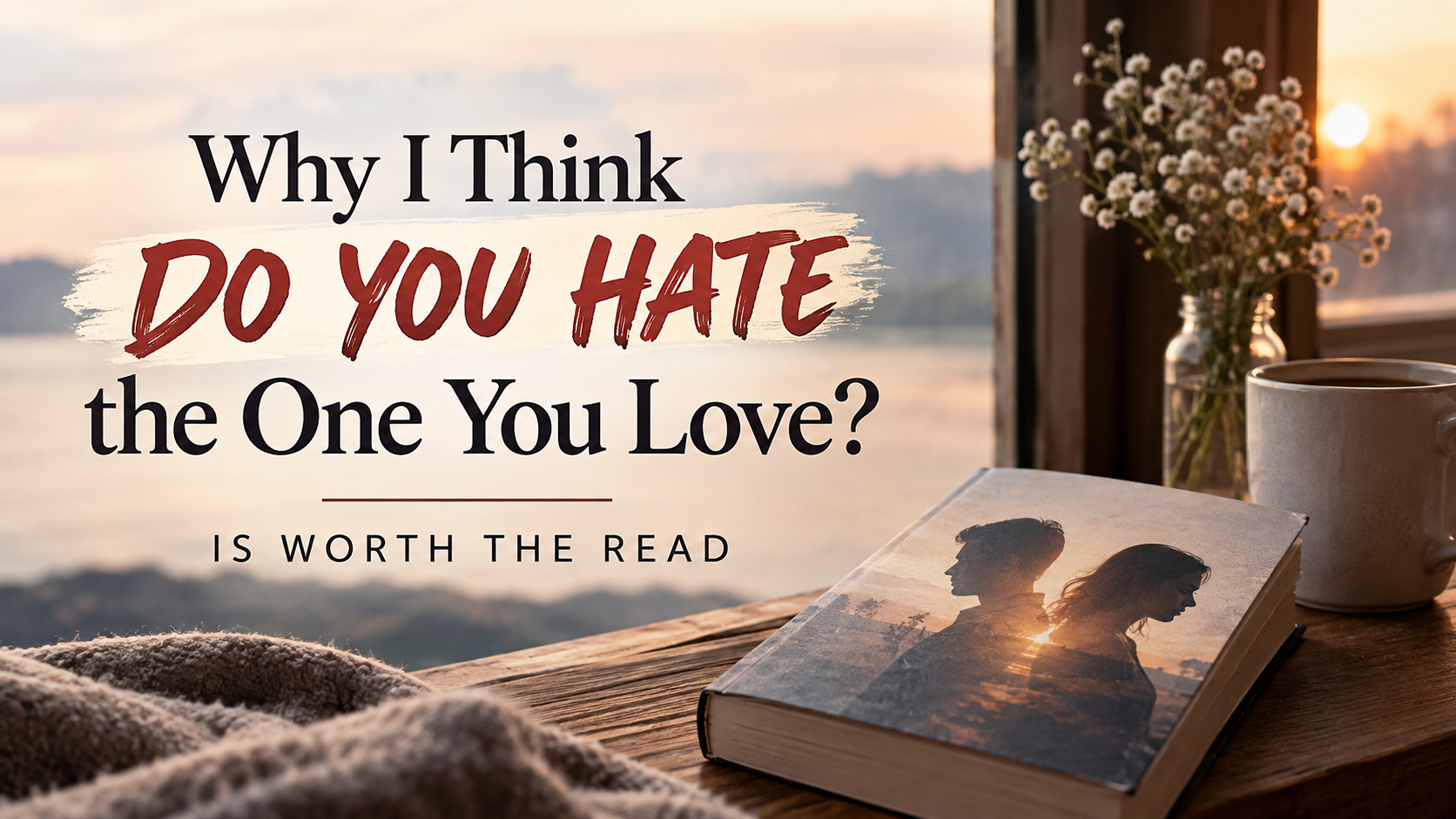
The work is not easy to describe in a narrative. The best description of how it works can be found in my book, I HATE THE MAN I LOVE: A Conscious Relationship is Your Key to Success. Chapters 6 and 7 take the reader through the process as if they were a fly on the wall. I highlight a couple who have been struggling with long-term disconnection. Their relational space had become contaminated over time. Remember, the relationship does not live in each partner. It lives in the space between. That space needs to be sacred. If they don’t know about the space or how to take care of it, it becomes polluted over time. At first, it becomes uncomfortable. Each partner reacts to the discomfort in the space. Without reparation, the space becomes dangerous. Each partner then reacts to the danger in the space they co-created. That’s when it gets messy. Some shout; some withdraw; some find fault; others will become contemptuous. This space is the playground for the children. This is where they learn about relationships. It’s their role modeling. We only know what we know and this gets carried forth into their adult relationships. We reap what we sow. The result is multigenerational. We bring forth our experiences, our learnings, and our way of life. What comes naturally is not always good.
SO, WHAT DO WE DO?
In his work, John Bradshaw draws conclusions regarding abuse, abandonment, and neglect from early childhood experiences to addiction by using behaviors to cope with pain from unresolved childhood trauma. Addiction is a way to self-medicate; however, it destroys our essence and we lose the connection with our authenticity. We live in a survival suit until we fully undress to bare our soul. The child within is our essence. Addiction conceals our authentic selves. We know that addiction comes in many forms. There is no need to identify others as this is common knowledge. When the crisis in childhood is not healed, it is manifested in our relationships soiling the sacred space. To heal our relationships, we must heal our past. Recovery is essential to have a healthy, adult relationship. It’s the concept of one rotten apple destroys the whole lot. This is what happens in relationships. If one or both partners are stuck in addictive behavior, no matter what the “drug of choice” is, the relationship and family are adversely affected. The drug of choice is not exclusive to drugs and alcohol.
As described above, the child in each of us needs healing; otherwise, the relationship becomes infected with toxic shame, guilt, traumas, and infractions of our past. If not treated, the toxic shame becomes multi-generational. It is inherited by our children and unless they break the cycle, their children too. Each partner has the responsibility of healing their own inner child. This can be done in individual therapy as well as in couples’ therapy. The miracles that occur with our partners bearing witness to the past of one another, will make the relationship stronger and more compassionate. The work of Imago Therapy and Encounter-centered Transformational Couples therapy is descriptive of healing our inner child, so our relationships heal as a result of healing our inner child. It’s a double gift!
Ostensibly we know that the drama of our childhood unequivocally affects our relationships. To have a quality of life, we must resolve the past. It takes time, courage, and commitment.
*(Read the articles on my website: The Magic of the Inner Child Work and Inner Child Work for more information.)
Joan E Childs, LCSW is a renowned psychotherapist, inspirational speaker and author of Do You Hate the One You Love: Strategies For Healing and Saving Your Relationship. In private practice since 1978, she specializes in individual and couple’s therapy, grief therapy, EMDR, NLP, Inner Child Work and codependency. Learn more about her services at www.joanechilds.com.
Share this article
Follow us
A quick overview of the topics covered in this article.
Latest articles
October 10, 2026
October 10, 2026

October 10, 2026