
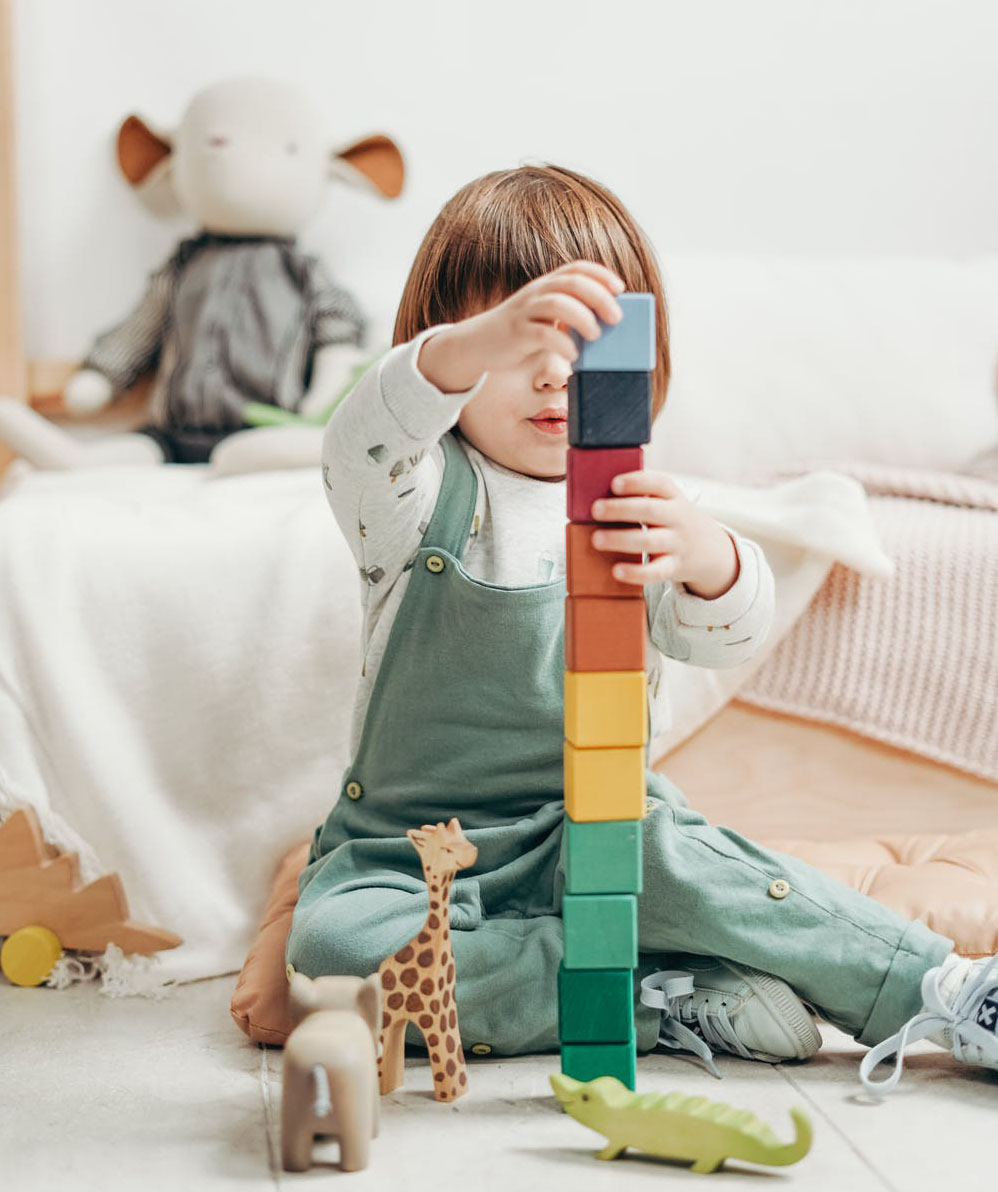
About Autism Spectrum Disorder…a kid friendly explanation
Adapted from Kids Health.org and The Autism Acceptance Book by Ellen Sabin
No one escapes the possibility of autism. It has no boundaries and has become pervasive and disconcerting in our lives. Three of my six grandchildren, have been diagnosed on the Autism Spectrum, however, they each present differently as they fall along different parts of the spectrum. The eldest of the three is the most affected and stands out as being different from the mainstream child while the other two are mildly affected and tend to blend in with their peers. You would have to understand autism to recognize they have the diagnosis as well.
My daughter and son-in-law have struggled with the effects it has imposed on their family. The saving graces are many with unconditional love leading the way!
Autism is a spectrum disorder (ASD) that causes some people’s brains to work in a unique way. Kids with (ASD) experience the world differently than other children and therefore, it may cause them to act and behave in ways that seem strange or unusual. Many kids with ASD have difficulty talking, understanding, playing, learning, and making friends. In addition, they often may have trouble with their senses including the way they see, hear, smell, taste, and feel things in the world. This makes it much more difficult for them to do the things that come to others so easily. This does not mean that they are bad or dumb; it just means that they are different. Some kids can be mildly affected and don’t have too many concerns but there are others who can be very affected and may need a lot of help.
Many kids have Autism Spectrum Disorder and right now, there is no known cure. However, the good news is that many kids with ASD can grow up to be happy and healthy. You can help this happen by appreciating their differences and accepting them for who they are – kids just like you.
My perspective on this phenomenon that suddenly transformed our decade into a new crisis where one in 68 U.S. children has an autism spectrum disorder (ASD), a 30% increase from 1 in 88 two years ago, according to a new report released Thursday by the Centers for Disease Control and Prevention is that this might just be the result of the age of technology preparing human beings of the future to be aligned with the technology they are born into.
We have all known about the adaptation of man since the beginning of time. Homo sapiens had to adapt to the environment in order to sustain the species. This new era of technology may have had an impact of our species for survival of the fittest in the 21st century. Children are born into the world of computers and even while in the womb. Their neurology is subject to the external world as research has documented. Perhaps, it just might be that this adaptation process has taken a new species of human beings to meet the needs of the century that is perpetuating the changes in vitro to prepare them for this brave new world they are about to enter. Who knows? Something for sure is changing!
Autism Statistics and Facts
Reprinted from www.autismspeaks.org
Autism Prevalence
- In 2020, the CDC reported that approximately 1 in 54 children in the U.S. is diagnosed with an autism spectrum disorder (ASD), according to 2016 data.
- 1 in 34 boys identified with autism
- 1 in 144 girls identified with autism
- Boys are four times more likely to be diagnosed with autism than girls.
- Most children were still being diagnosed after age 4, though autism can be reliably diagnosed as early as age 2.
- 31% of children with ASD have an intellectual disability (intelligence quotient [IQ] <70), 25% are in the borderline range (IQ 71–85), and 44% have IQ scores in the average to above average range (i.e., IQ >85).
- Autism affects all ethnic and socioeconomic groups.
- Minority groups tend to be diagnosed later and less often.
- Early intervention affords the best opportunity to support healthy development and deliver benefits across the lifespan.
- There is no medical detection for autism.
What causes autism?
- Research indicates that genetics are involved in the vast majority of cases.
- Children born to older parents are at a higher risk for having autism.
- Parents who have a child with ASD have a 2 to 18 percent chance of having a second child who is also affected.
- Studies have shown that among identical twins, if one child has autism, the other will be affected about 36 to 95 percent of the time. In non-identical twins, if one child has autism, then the other is affected about 31 percent of the time.
- Over the last two decades, extensive research has asked whether there is any link between childhood vaccinations and autism. The results of this research are clear: Vaccines do not cause autism.
Intervention and Supports
- Early intervention can improve learning, communication and social skills, as well as underlying brain development.
- Applied behavior analysis (ABA) and therapies based on its principles are the most researched and commonly used behavioral interventions for autism.
- Many children affected by autism also benefit from other interventions such as speech and occupational therapy.
- Developmental regression, or loss of skills, such as language and social interests, affects around 1 in 5 children who will go on to be diagnosed with autism and typically occurs between ages 1 and 3.
Associated Challenges
- An estimated 40 percent of people with autism are nonverbal.
- 31% of children with ASD have an intellectual disability (intelligence quotient [IQ] <70) with significant challenges in daily function, 25% are in the borderline range (IQ 71–85).
- Nearly half of those with autism wander or bolt from safety.
- Nearly two-thirds of children with autism between the ages of 6 and 15 have been bullied.
- Nearly 28 percent of 8-year-olds with ASD have self-injurious behaviors. Head banging, arm biting and skin scratching are among the most common.
- Drowning remains a leading cause of death for children with autism and accounts for approximately 90 percent of deaths associated with wandering or bolting by those age 14 and younger.
Associated Medical & Mental Health Conditions
- Autism can affect the whole body.
- Attention Deficient Hyperactivity Disorder (ADHD) affects an estimated 30 to 61 percent of children with autism.
- More than half of children with autism have one or more chronic sleep problems.
- Anxiety disorders affect an estimated 11 to 40 percent of children and teens on the autism spectrum.
- Depression affects an estimated 7% of children and 26% of adults with autism.
- Children with autism are nearly eight times more likely to suffer from one or more chronic gastrointestinal disorders than are other children.
- As many as one-third of people with autism have epilepsy (seizure disorder).
- Studies suggest that schizophrenia affects between 4 and 35 percent of adults with autism. By contrast, schizophrenia affects an estimated 1.1 percent of the general population.
- Autism-associated health problems extend across the life span – from young children to senior citizens. Nearly a third (32 percent) of 2 to 5 year olds with autism are overweight and 16 percent are obese. By contrast, less than a quarter (23 percent) of 2 to 5 year olds in the general population are overweight and only 10 percent are medically obese.
- Risperidone and aripiprazole, the only FDA-approved medications for autism-associated agitation and irritability.
Caregivers & Families
- On average, autism costs an estimated $60,000 a year through childhood, with the bulk of the costs in special services and lost wages related to increased demands on one or both parents. Costs increase with the occurrence of intellectual disability.
- Mothers of children with ASD, who tend to serve as the child’s case manager and advocate, are less likely to work outside the home. On average, they work fewer hours per week and earn 56 percent less than mothers of children with no health limitations and 35 percent less than mothers of children with other disabilities or disorders.
Autism In Adulthood
- Over the next decade, an estimated 707,000 to 1,116,000 teens (70,700 to 111,600 each year) will enter adulthood and age out of school based autism services.
- Teens with autism receive healthcare transition services half as often as those with other special healthcare needs. Young people whose autism is coupled with associated medical problems are even less likely to receive transition support.
- Many young adults with autism do not receive any healthcare for years after they stop seeing a pediatrician.
- More than half of young adults with autism remain unemployed and unenrolled in higher education in the two years after high school. This is a lower rate than that of young adults in other disability categories, including learning disabilities, intellectual disability or speech-language impairment.
- Of the nearly 18,000 people with autism who used state-funded vocational rehabilitation programs in 2014, only 60 percent left the program with a job. Of these, 80 percent worked part-time at a median weekly rate of $160, putting them well below the poverty level.
- Nearly half of 25-year-olds with autism have never held a paying job.
- Research demonstrates that job activities that encourage independence reduce autism symptoms and increase daily living skills.
Economic Costs
- The cost of caring for Americans with autism had reached $268 billion in 2015 and would rise to $461 billion by 2025 in the absence of more-effective interventions and support across the life span.
- The majority of autism’s costs in the U.S. are for adult services – an estimated $175 to $196 billion a year, compared to $61 to $66 billion a year for children.
- On average, medical expenditures for children and adolescents with ASD were 4.1 to 6.2 times greater than for those without autism.
- Passage of the 2014 Achieving a Better Life Experience (ABLE) Act allows tax-preferred savings accounts for people with disabilities, including autism, to be established by states.
- Passage of autism insurance legislation in all 50 states is providing access to medical treatment and therapies.
Joan E Childs, LCSW is a renowned psychotherapist, inspirational speaker and author of Do You Hate the One You Love: Strategies For Healing and Saving Your Relationship. In private practice since 1978, she specializes in individual and couple’s therapy, grief therapy, EMDR, NLP, inner child work and codependency. Learn more about her services at www.joanechilds.com.
Share this article
Follow us
A quick overview of the topics covered in this article.
Latest articles

October 10, 2026

October 10, 2026

October 10, 2026